


Social Injustice
When I was a child, the place where I grew up was our only world—a small, modest home tucked into a neighborhood where we quietly existed, often on the edge of notice. Our presence was small, our influence limited, especially compared to the local families who had lived there for generations, rooted in familiarity and stronger means. We lived with quiet determination, attending school every day, coming and going with barely a trace, our routines simple and constrained. There were no after-school adventures, no family outings, no celebrations that lit up our home with noise and laughter. Life for us was disciplined, narrow, and shaped by necessity.
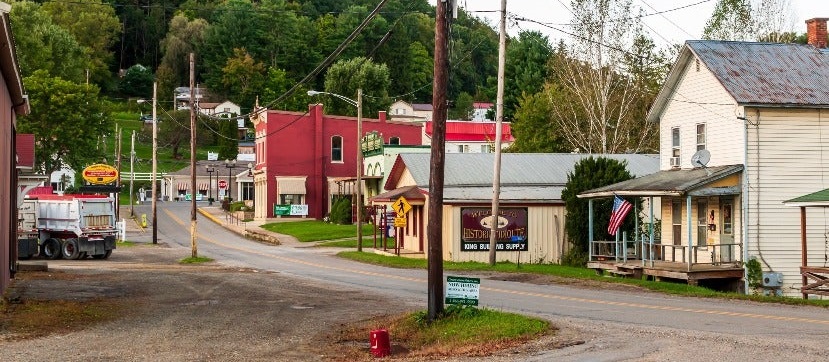
I remember watching other children with wonder and a faint ache in my chest. They would go shopping with their parents, their hands full of treats or toys. They would dress up for festivals, their homes glowing with lights, food, music, and the warmth of many guests. Their smiles were bright, effortless, as if joy was a natural part of their daily lives. Sometimes, we were invited to such homes, and while we enjoyed the rare treats and brief moments of fun, it always reminded us of what we lacked. In our house, those things simply didn’t exist. Poverty had a quiet grip on everything we did—what we ate, how we dressed, how we moved through the world.
But what we did have was a deep, unspoken resolve. We dreamed—not extravagantly, but with focus. We dreamed of stability, of opportunity, of one day changing the story we were born into. Every step we took, however small, was driven by a desire to move forward. There was no luxury in our lives, but there was effort. There was hope. And slowly, those dreams began to form the foundation of a future we knew we had to build for ourselves.
“We had no festivals, no feasts, no luxuries—only dreams. And in the quiet shadows of poverty, those dreams lit our way forward.”
We didn’t have much, but we had purpose. And that was enough to keep us going.
When I walked down the street at night, especially during holidays or festival seasons, I would often witness scenes that stirred something deep within me. The houses around the neighborhood seemed to come alive. Warm, golden light spilled gently from windows, casting soft glows onto the streets and creating an almost magical atmosphere. From inside those homes came the unmistakable sounds of happiness—laughter, music, children playing, families chatting loudly over dinner, and the occasional burst of singing. It was as if every house held a world of celebration, of comfort, of connection.
I would slow my steps, not wanting to stare but unable to look away. The light, the noise, the sense of belonging—it all seemed so rich, so full of life. For a brief moment, I felt like a passerby in someone else’s dream. And then the sadness would settle in quietly. Because none of that was happening at our home.
Our house remained dark and silent, with no smell of special food cooking, no sound of music or excited voices, no gathering of relatives or friends. We didn’t have the means or the space for festivities. There were no gifts exchanged, no decorations put up, no traditions celebrated with cheer. Inside, it was just another ordinary night—simple, quiet, and still. The contrast between the joy outside and the emptiness inside would make my heart heavy. Not with jealousy, but with a quiet longing—for something normal, something festive, something shared.
Yet even in that sadness, I learned something valuable. I learned to appreciate light, laughter, and human warmth—not as entitlements, but as blessings. And I held onto the hope that one day, our home too would glow from within—not just with lights, but with joy earned through perseverance, and love that grew stronger in the face of every quiet night.


