


The War
Suddenly, without much warning, a war broke out between the two countries—a brutal and terrifying conflict that shattered whatever fragile peace had existed before. The air changed almost overnight. Fear settled into every corner of the city like thick fog. Sirens screamed through the night, and not long after, waves of airplanes began to fly overhead, darkening the sky. They came in terrifying numbers, flying in formation like birds of prey, and rained down bombs with deafening explosions that shook the ground and shattered windows. Buildings crumbled, fires blazed, and the once-lively streets turned into silent ruins.
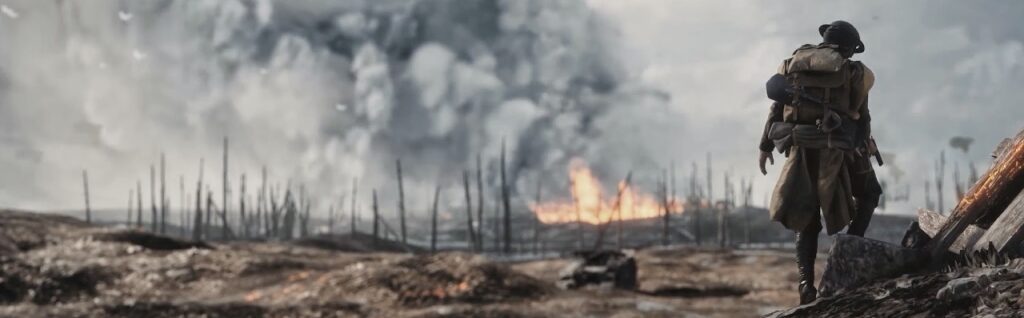
We couldn’t stay in the city any longer. It was too dangerous, too unpredictable. My mother, with a strength that only mothers seem to possess in times of crisis, quickly gathered what little she could—some food, a change of clothes, a few daily essentials. She held our hands tightly—mine and those of my brothers and sisters—and without hesitation, we fled. We left behind our home, our belongings, everything that had once given us a sense of normalcy. All that mattered now was safety.
We journeyed to the countryside, eventually finding refuge in the home of a kind housekeeper who opened her doors to us. It wasn’t much—just a simple rural house with bare essentials—but to us, it was shelter. It was life. We were grateful beyond words. In those days, every morning began with the same eerie routine. We would wake up to the distant, growing roar of engines. Then we would run outside and look up. Dozens of planes would pass overhead, silver specks in the sky, heading back from the bombing missions. Sometimes, the trail of smoke behind them told stories of battle; other times, they flew in perfect lines, cold and mechanical, a reminder of the chaos we had escaped.
Even though we were far from the frontlines, the fear never fully left us. The war had followed us in our thoughts, in the trembling of the earth, and in the worry etched into our mother’s eyes. But amid the fear, there was also a kind of togetherness. We were alive, we had each other, and in the quiet moments between the passing planes, we dared to hope that someday peace would return—and that we could return to our home, and rebuild what had been lost.
During the war, life became a daily struggle for survival, and one of the most painful challenges we faced was the terrible shortage of food. There were days when I couldn’t find a single full meal to eat. The markets were either empty or too dangerous to reach. Rations, if they arrived at all, were never enough to feed a family. My mother did everything she could—stretching tiny portions, going without herself, and walking long distances in search of something, anything, that could be cooked. But often, we had to make do with just a few bites of dry bread or a handful of boiled rice, shared among us.
Hunger became a constant ache, like a quiet gnawing in the belly that never really went away. I grew used to sleeping with that emptiness, curling up tightly to ignore it, hoping that tomorrow would be better. But tomorrow often looked just like the day before—barren, uncertain, and heavy with worry. And yet, the human spirit has a strange way of clinging to hope. Even in those long, hungry nights, I would find myself lying outside under the open sky, staring up at the stars.
The stars sparkled with calm indifference, distant and eternal. They seemed untouched by the chaos down on Earth. As I watched them, questions would swirl in my mind—questions that no one around me could answer. I would wonder why humans, so intelligent and capable, chose war over peace. Why we, unlike animals who kill only to eat or survive, created such massive destruction with thought and planning. Bombs, hatred, division—none of it made sense to me under the quiet beauty of the night sky.
There was no animal I knew of that could match the cruelty of what humans were doing to each other. No beast in the wild could ever be as ruthless as a man in uniform dropping bombs from the sky or commanding hunger and suffering from behind closed doors. And so, night after night, under those distant stars, I began to understand something heartbreaking—that the violence of war doesn’t just destroy buildings or lives, it destroys our very sense of humanity. And yet, those same stars reminded me that peace still existed somewhere in the universe. I only had to survive long enough to find it again.


