


Starvation
The war eventually came to an end, but peace did not arrive with it—at least, not the kind of peace we had hoped for. The bombs had stopped falling, the skies were no longer filled with roaring planes, and the sound of gunfire had faded into silence. Yet, what followed was a different kind of devastation, quieter but equally cruel: a deep, paralyzing crisis of food and medicine that gripped the nation like a second war—this time against hunger, disease, and despair.
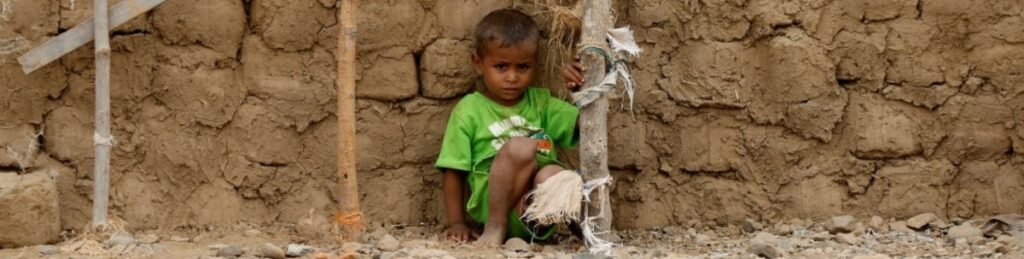
Shops remained empty, and whatever little food was available was far beyond what ordinary people could afford. The black market thrived while common families starved. People wandered the streets with sunken eyes and bones showing through their torn, filthy clothes. Children, once full of life and laughter, sat listlessly on doorsteps or clung to their mothers with empty stomachs and weakened bodies. Hunger became a slow, daily killer, not as loud as a bomb but just as deadly. Some people collapsed on the roadside from starvation, never to get up again.
Medicine was just as scarce. Diseases that once were easily treatable turned into death sentences. A simple fever could mean the end. Clinics had no supplies, no doctors, no bandages. Infections spread rapidly. Mothers cried as they held their sick children, powerless to help. Elderly people faded away in silence. Every home carried some grief, some fresh wound. Funerals were no longer events of mourning—they became a daily routine, a grim procession of loss.
The streets echoed not with war, but with the soft, constant sound of suffering—muffled weeping, quiet prayers, and sometimes nothing at all. People grew numb. Families had to choose between feeding one child over another. Neighbors could only offer sympathy when someone fell ill, because they had nothing else to give.
The war had ended, but it had left behind a broken nation—one stripped of resources, dignity, and hope. Buildings could be rebuilt, but who could rebuild the shattered spirits of people who had seen so much death, so much loss? It was no longer a matter of survival through violence—it was about surviving the silence, the hunger, and the deep scars left on the soul of an entire country. The battlefield had moved into every home, and we were still fighting, long after the guns had gone quiet.


