


The Sea
When I was in the military, part of my duty involved setting out to sea on a warship for extended patrols, often lasting seven to ten days at a time. These missions took place at least twice a month, and each one required thorough preparation—both mentally and physically. At first, the idea of packing up everything and leaving behind the familiar world on land felt overwhelming. There was a sense of detachment that crept in as we sailed farther from the shore, moving steadily into the vast, unending blue of the deep sea.
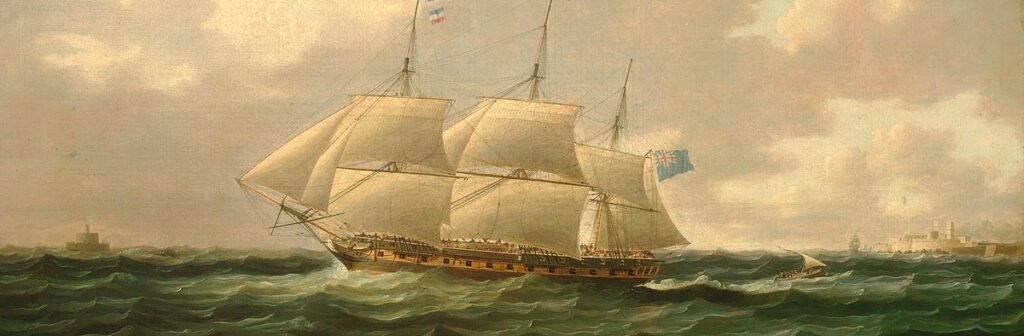
Being out there, so far away from civilized settlements, brought a kind of isolation that was hard to explain. The comforts of daily life—walking on land, seeing trees, hearing the hum of a city—were replaced by the sound of waves crashing against steel, the sharp call of commands over radios, and the ever-present hum of the ship’s engines. Communication with the outside world was limited, and every moment onboard was governed by strict routines, shifts, and readiness drills.
At first, the confinement, the unpredictability of the sea, and the emotional distance from loved ones made the job incredibly tough. The ocean could be calm one moment and fiercely unforgiving the next. There was no turning back once we were out there—no room for error, no pause button. But over time, I began to adapt. I learned how to find stillness in the repetition, purpose in the responsibility, and even beauty in the isolation. The deep sea taught me resilience, discipline, and what it truly means to be present in the moment, no matter how far you are from the world you know.
If a person were to travel to the moon and remain there for some time, the first thing they would likely notice is the incredible lightness of being. With gravity only one-sixth of that on Earth, simple tasks that would normally require effort—like lifting heavy objects or jumping—would suddenly become almost effortless. Movements would feel graceful, slow-motion, and strangely liberating. Walking would take on a different rhythm, and the burden of physical strain would seem to vanish. This new environment would not just change how one functions physically—it would also change how one thinks, feels, and experiences time and space.
In a very similar way, life at sea stands in stark contrast to life on land. When you step aboard a ship and leave the shore behind, you enter an entirely different world—one governed by its own rules, rhythms, and demands. The routine becomes precise and non-negotiable; everything from sleeping and eating to working and socializing is shaped by the movement of the vessel and the mission at hand. There’s no convenience store, no strolling in a park, no stepping out for a break. Every activity is structured within the confines of a metal hull, floating on a vast, unpredictable ocean.
Yet, it is in this environment—far removed from the distractions and comforts of everyday civilian life—that a person can begin to truly discover themselves. The isolation from the outside world, the tight-knit camaraderie of shipmates, the constant demand for alertness and responsibility—all of it forces a kind of inward reflection.
Just as the moon’s gravity reveals new capabilities in the body, life at sea reveals hidden layers of the self. It teaches patience, resilience, adaptability, and most of all, self-reliance. To live, eat, work, and survive in such a place is not just an assignment—it is a journey into one’s own strength, purpose, and identity.


